

10 Fun Ways Virtual Tours Are Changing the Game for Irish Tourism
Ireland’s charm is undeniable – think emerald landscapes, historic castles, and cobblestone streets brimming with stories. But what if exploring these gems didn’t require a plane ticket? Virtual tours are rewriting how people experience Irish tourism, giving pubs, B&Bs, and even the Cliffs of Moher an online stage. Whether it’s luring international visitors or keeping locals engaged, this digital twist is opening doors to brand-new opportunities. Ready to see how? Let’s get started.
Attracting Global Attention
Virtual tours have revolutionised how Irish tourism businesses connect with the world. From iconic landmarks to remote countryside retreats, these tours allow visitors to experience the magic of Ireland, no matter where they are. Whether you’re sitting in a New York apartment or a Tokyo high-rise, a virtual tour can whisk you away to Ireland’s most breathtaking spots. Let’s dive into how these digital wonders showcase Ireland at its very best.
Showcasing Iconic Landmarks
Picture yourself gazing up at Blarney Castle, feeling the allure of the legendary Blarney Stone from the comfort of your own home. Virtual tours transform historic landmarks into accessible experiences for audiences globally. A 360-degree walkthrough of the Cliffs of Moher, with the Atlantic crashing below, doesn’t just show visitors what they’re missing – it sparks FOMO (fear of missing out).
Why does this matter for tourism? These interactive experiences create a tangible sense of longing. Someone scrolling through Instagram might stumble across a virtual glimpse of Dublin Castle or Kylemore Abbey and immediately add Ireland to their travel bucket list. Virtual tours aren’t just about visuals, either – they’re guided journeys where rich stories from the past come alive. Tourists who experience this virtually are more likely to commit to seeing it in reality, ensuring that landmarks like these remain at the forefront of their minds.
Bringing Ireland’s Countryside to Life
Ireland’s countryside often feels like it’s been ripped straight from the pages of a magical novel. Virtual tours of the Wild Atlantic Way or The Ring of Kerry breathe life into these scenic escapes. Imagine an immersive 360° view of emerald fields dotted with sheep or coastal cliffs blanketed in mist – it’s like packing the Irish essence into a digital snapshot.
For visitors, experiencing this enables them to feel the serenity and beauty of rural Ireland, even from faraway places. “What’s it like to stand on Achill Island or stroll around Glenveagh National Park?” becomes a question they can literally answer after experiencing an online tour.
Best of all, it offers a taste of Ireland’s legendary charm. These tours capture more than geography – they bottle up the warmth and rugged authenticity of a place. And, let’s face it, for those dreaming of a peaceful escape from city life, the virtual countryside offers them a teaser worth savouring. It’s a gentle nudge saying, “See what you’re missing? Now, come visit us for real.”

Photo by Jakub Zerdzicki
Boosting Local Businesses
Virtual tours are proving to be real game-changers, and not just for attracting international tourists. They’re also enabling local Irish businesses—think pubs, cafés, and family-run attractions—to thrive by offering unique digital experiences. It’s not just about showing “where” you are; it’s about showing “who” you are and creating a compelling story. Here’s how this technology bridges the gap between virtual visitors and real-world adventures.
Virtual Dining Experiences

Photo by Tima Miroshnichenko
What if you could virtually step into an Irish dining room, where the aroma of freshly baked soda bread wafts through the screen? Virtual dining tours are a creative way for restaurants to invite guests to explore their menus and kitchens, offering an enticing preview of Ireland’s culinary heritage. It’s a feast for both the eyes and the imagination.
These tours can combine storytelling with interactive elements. Imagine an online visitor gliding through a virtual 360° view of a quaint Galway pub, learning about the history of Guinness pint-pulling while virtually tasting seafood chowder. Restaurants can even host virtual cooking classes where participants learn to craft dishes like shepherd’s pie or colcannon from scratch. It’s an appetising way to build a connection with future diners.
This concept benefits small restaurants and cafes striving to reach both locals and international food enthusiasts. Bonus? These experiences create memories before customers even sit at a table in-person. Plus, promoting virtual dining as a teaser for an actual visit could increase bookings for special events, tastings, or celebratory dinners.
A Glimpse into Traditional Irish Culture
Ireland’s spirit is stitched together with music, dance, and folklore, and these cultural treasures are a focal point of any virtual exploration. Virtual tours aren’t just visual—they’re immersive experiences that grab all the senses (except touch, but we’re working on that).
Picture this: one minute, you’re wandering through the cosy interior of a village pub, and the next, you’re part of an interactive live music session. Hear the sounds of a fiddle warming up or join a virtual ceílí (traditional Irish dance). Companies organising these tours can collaborate with local musicians and dancers to create on-demand or live sessions.
Want even more? Workshops can be added to the mix, showcasing how to play an Irish bodhrán, write your name in Gaelic script, or whip up a classic Irish stew. By incorporating rich snippets of culture into these experiences, virtual tours turn passive viewers into passionate future visitors.
This isn’t just about entertainment—it’s about instilling a sense of curiosity and longing. When people get a “taste” of a culture digitally, they’re more likely to book a live, in-person experience. And for local artists and cultural centres, this is an authentic way to increase their visibility while preserving Ireland’s cultural heritage.
Reaching Tech-Savvy Travellers
Tech-savvy travellers, especially younger explorers, crave experiences that feel personal, immersive, and interactive. Virtual tours cater perfectly to this crowd by connecting with them where they live – online. If you want to get noticed by travellers scrolling through Instagram or TikTok feeds, your digital offering needs to shine. Let’s break it down.
Enhancing Social Media Engagement
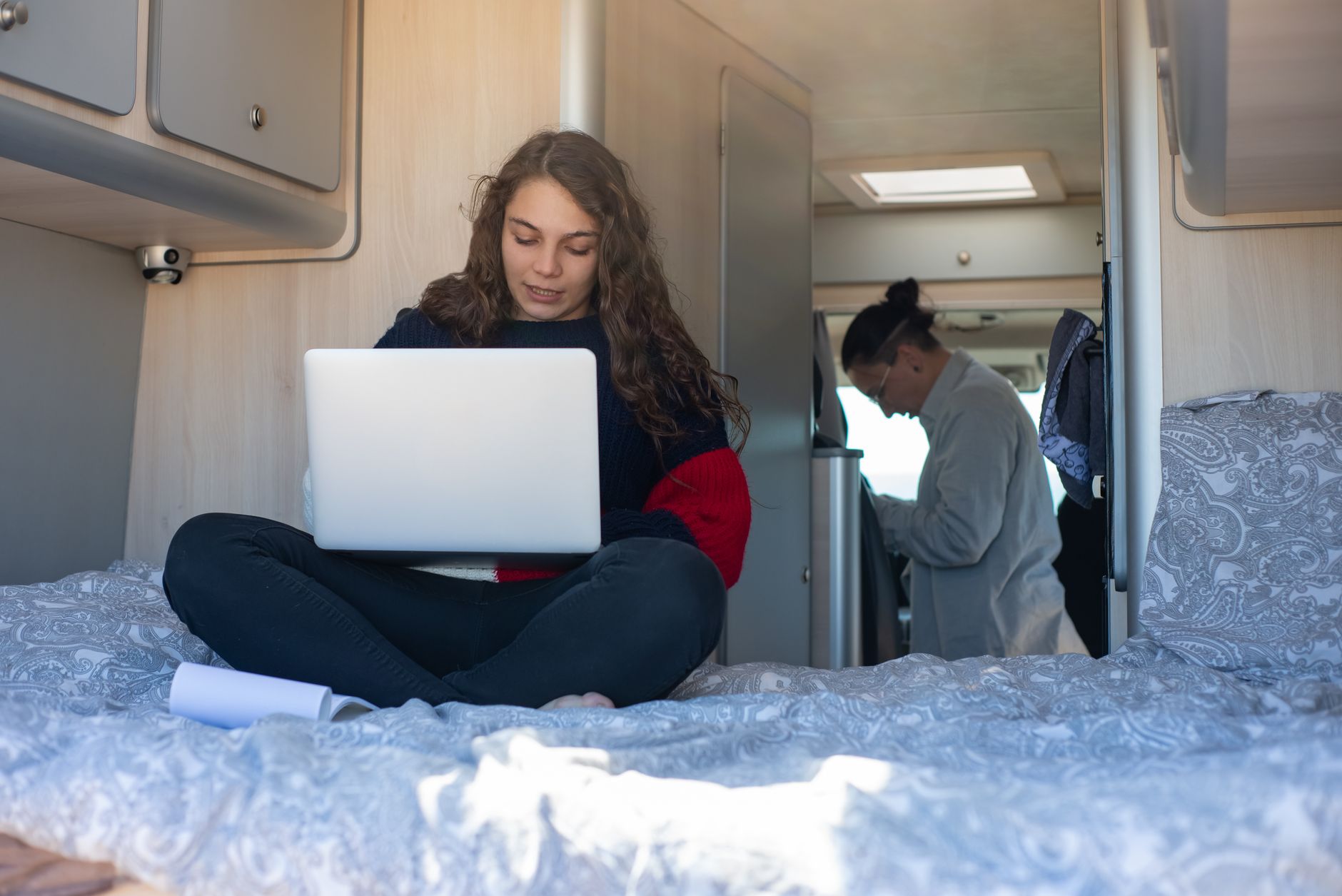
Photo by Kampus Production
What drives today’s social media? Shareability. Virtual tours packed with stunning visuals and memorable snapshots are like catnip for Instagram or TikTok audiences. Think about it: a 360-degree clip winding through cobbled Galway streets or the vibrant chaos of a Dublin market can easily translate into bite-sized, shareable moments that demand attention.
But it doesn’t stop there. Short reels or behind-the-scenes snippets from these tours can spark curiosity and conversations. Social platforms reward creativity and engagement, meaning your virtual tour can double as both a marketing hook and a brand ambassador. Hashtags (#VirtualIrelandIsCalling, anyone?) and location tags ensure your content gets discovered by wanderlust-filled users across the globe.
Even better, user-generated content can become your biggest asset. When visitors share their virtual experiences, they act as your business’s micro-influencers. It’s authentic, free advertising that builds buzz and boosts your social reach.
Gamifying the Travel Experience
How do you take something already enticing and make it irresistible? By turning it into a playful adventure. Gamification – adding game-like elements to your virtual tours – draws in tech-savvy adventurers looking for something more fun and engaging than a static walkthrough.
Imagine this: a virtual treasure hunt where participants sleuth their way through Ireland’s castles, piecing together hidden historical trivia. Or a quiz that takes tourists “on location” to sites like the Burren or Giant’s Causeway, rewarding correct answers with points or badges. It’s digital sightseeing, but with added pizzazz.
This approach works wonders for creating a sense of achievement (because who doesn’t love earning a badge?). It also encourages repeat visits – perhaps this time in real life – because people are already emotionally invested in the experience. Whether you create escape-room-style challenges or light-hearted quizzes steeped in Irish folklore, the key is to make it engaging and memorable.
Interactive tours don’t just stand out – they stick in people’s minds. Smart, right?
Adapting to Unexpected Challenges
Life may throw curveballs, but Irish tourism businesses can use virtual tours as a way to keep audiences engaged and ensure their offerings remain relevant. These technologies act as a buffer against disruptions like off-seasons, unpredictable restrictions, or travel barriers, allowing businesses to remain in the spotlight no matter the circumstances. Let’s explore how they adapt and thrive.
Keeping the Buzz Alive

Photo by Michel Rothstein
In the quieter months or during unexpected periods like lockdowns, keeping your destination in people’s minds becomes essential. Virtual tours don’t just fill that gap—they excel at it. By offering wanderlust-inspiring experiences, businesses can ensure their attractions stay top of mind for when normality returns.
Imagine a family in Boston virtually exploring the breathtaking Cliffs of Moher, feeling the spray of waves through incredibly immersive 360° views. Even if they can’t travel right now, they’re envisaging their future trip, mentally pinning your destination to their bucket lists.
Not just limited to major landmarks, local attractions like hidden ruins in Donegal or cosy traditional pubs in Kilkenny can use virtual tours to offer sneak peeks of cultural authenticity. And during the colder months when actual footfall slows, these tours can stoke excitement with seasonal twists. A virtual stroll through Galway’s vibrant Christmas markets or a guided tour of adorned castles under twinkling lights directs attention to Ireland’s winter magic.
Simply put, virtual tours are a failsafe marketing strategy. They help businesses stay visible, pique curiosity, and provide future visitors with a vivid taste of what’s in store.
Engaging New Audiences
Not all tourists can hop on a plane. Some face physical limitations, personal circumstances, or financial restrictions that keep them homebound. Virtual tours are a way for these audiences to be part of the journey, offering inclusivity to a previously untapped market.
For individuals with limited mobility, virtual tours offer the next best thing to being there. Want to go on a picturesque hike across the Burren’s rugged landscape? A virtual experience allows individuals to explore the trails at their own pace—no risk, no exhaustion, just pure enjoyment.
It doesn’t stop there. People navigating disabilities, parents of young children, or elderly individuals can access Irish landmarks without worrying about the logistics. Picture this: a retired teacher in Canada revisits the Book of Kells exhibit at Trinity College virtually, refreshing lifelong memories from her student days. The accessibility of such experiences is both empowering and deeply personal.
Businesses can even collaborate with platforms that cater specifically to accessibility needs, ensuring the experience is as inclusive and immersive as possible. Adding features like subtitles for guided talks or adaptable interfaces ensures no one feels left out.
Ultimately, virtual tours extend the allure of Irish tourism to audiences who might’ve never considered it before. Whether it’s a glimpse of The Wild Atlantic Way or the warmth of Temple Bar in Dublin, these experiences build global connections without requiring a passport.
Creating Personal Connections
Virtual tours aren’t just a tech novelty; they can build meaningful connections between Irish businesses and their global audience. By blending storytelling with cutting-edge technology, they bring a warm, personalised touch to an otherwise digital experience. Let’s explore how these tours can truly resonate.
Human-Led Virtual Tours
Now, here’s where the magic happens. When real tour guides step in to share their knowledge, wit, and local charm, it transforms a passive viewing into an interactive experience. Think of a lively Dubliner narrating the tales of Dublin’s cobbled streets or a local historian guiding you through the ruins of monastic sites like Glendalough.
These human-led virtual tours make all the difference. A live guide can answer questions on the spot, crack jokes, and offer quirky anecdotes you just won’t find on a pre-recorded loop. It’s like having a front-row seat in Ireland from your sofa. Why settle for static storytelling when you can have a live chat with someone who’s deeply connected to the area?
Virtual tours led by people bring that dash of spontaneity and humanity. With each story told, viewers aren’t just learning—they’re feeling engaged and part of something special. It’s as if the guide reaches out and says, “You’ve got to visit and see this for yourself!”

Photo by Monstera Production
Capturing Irish Hospitality
Let’s be honest: Irish hospitality is legendary. It’s that friendly smile, the warm welcome, and the genuine interest in your story, all bottled up and delivered straight through your screen. Virtual tours allow businesses to showcase this famous charm, creating a connection that defies technology.
Whether it’s a host waving you into their family-run B&B or a pub owner introducing you to the story behind their finest whiskey, these interactions are emblematic of Ireland’s people. The tone of voice, the twinkle in the eye—it’s all part of the experience. Physical boundaries disappear when visitors feel like they’ve been greeted with that heartfelt “Céad míle fáilte” (a hundred thousand welcomes).
For instance, a live demonstration of crafting Irish soda bread—complete with a guide’s cheerful commentary—can make viewers feel like guests at the table. These personal touches turn what could be a flat interaction into something truly memorable. In the end, it’s not just about what’s on screen. It’s about making individuals feel like they’ve already been part of Ireland before stepping foot on the island.
Conclusion
Virtual tours are far more than just a clever tech addition – they’re a lifeline for Irish tourism businesses to remain visible, engaging, and competitive. From showcasing breathtaking landmarks to capturing the warmth of Irish hospitality, this tool ensures the magic of Ireland reaches every corner of the globe.
By tapping into immersive storytelling and interactivity, businesses can inspire wanderlust and cultivate meaningful connections with audiences. These experiences not only fuel curiosity but also build anticipation for real-world visits.
Whether attracting international travellers, supporting local businesses, or connecting with new audiences, virtual tours are making Irish tourism more inclusive, adaptable, and future-ready. So, why wait to explore? Take a virtual step into Ireland, and let the journey begin.


